

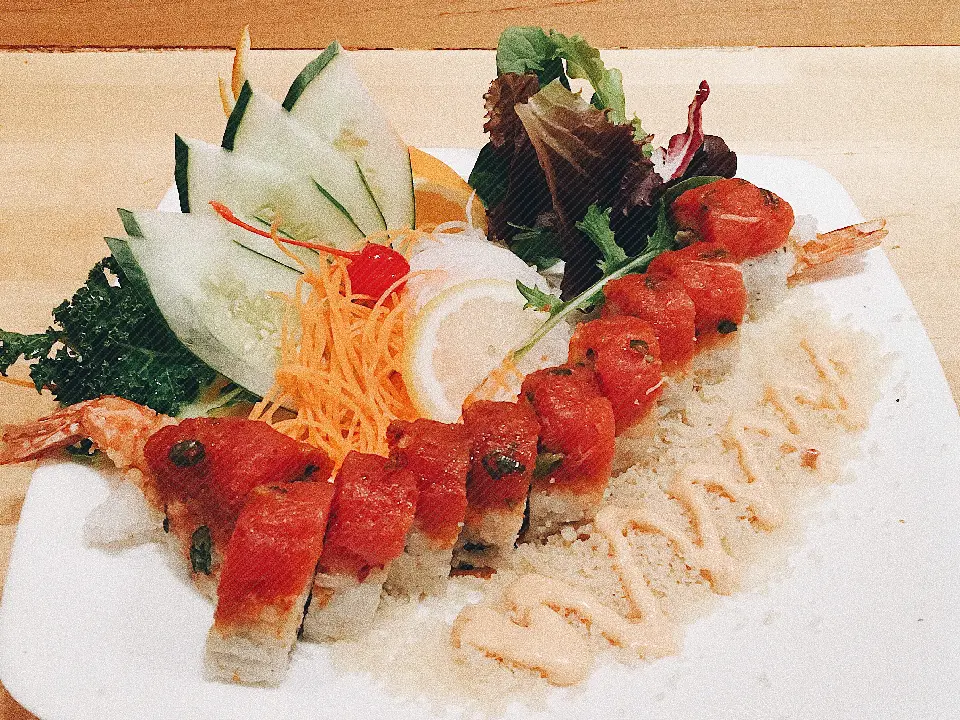
Thai restaurants have become a global phenomenon, offering an authentic taste of Thailand's rich and diverse culinary traditions. Renowned for their vibrant flavors, aromatic spices, and artistic presentation, these eateries not only serve delicious food but also provide a window into Thai culture and hospitality.
The design and ambiance of Thai restaurants are often reflections of Thailand’s aesthetic values. Traditional Thai restaurants are adorned with intricate decorations, Buddha statues, and ornate carvings, immersing diners in a culturally rich environment. Modern Thai eateries, on the other hand, might blend contemporary decor with traditional elements, creating a fusion that appeals to a broad audience. These settings aim to create a relaxing and inviting atmosphere, allowing diners to enjoy their meal in a tranquil environment.
A typical Thai restaurant's menu is a tapestry of flavors and textures. Staples include Pad Thai, a stir-fried noodle dish with a tamarind-based sauce; Green Curry, made with green chilies and coconut milk; and Tom Yum, a spicy and sour soup. These dishes are often accompanied by jasmine rice or sticky rice. Thai cuisine is also known for its street food offerings, which many restaurants incorporate into their menu, offering a more casual, yet equally flavorful dining experience.
Freshness is key in Thai cooking. Ingredients like lemongrass, galangal, kaffir lime leaves, and Thai basil are essential for creating the authentic flavors of Thai dishes. Thai restaurants often emphasize the use of fresh, locally sourced produce and meats, ensuring the quality and authenticity of their dishes.
In the current culinary landscape, automation plays a crucial role in the operation of Thai restaurants. Automation technologies streamline various aspects of the restaurant business, from inventory management to order processing. Digital reservation systems improve customer service, while point-of-sale systems ensure efficiency in order processing and billing. Automated kitchen equipment can help maintain consistent quality in food preparation. This integration of technology not only optimizes restaurant operations but also enhances the dining experience by reducing wait times and ensuring accuracy in order fulfillment.
Many Thai restaurants draw inspiration from Thailand's vibrant street food culture. Street food dishes are often characterized by their bold flavors and quick preparation methods. Some restaurants replicate this experience by offering open kitchens where diners can watch chefs prepare dishes, adding an element of entertainment and authenticity to the dining experience.
Thai restaurants are increasingly adapting their menus to cater to various dietary preferences, including vegetarian, vegan, and gluten-free options. This inclusivity allows a wider range of customers to enjoy Thai cuisine without compromising on flavor or authenticity.
Thai restaurants offer more than just a meal; they provide an immersive cultural experience. From the intricate decor to the aromatic dishes, these restaurants are a testament to Thailand’s rich culinary heritage. With the integration of automation, Thai restaurants are not only preserving traditional cooking methods but also embracing modern efficiencies, ensuring that they remain a beloved choice for diners around the world. Whether you're in search of a traditional Thai feast or a quick street food snack, these restaurants promise an unforgettable culinary adventure.


(413) 458-0004
27 Spring Street Williamstown, MA 01267