

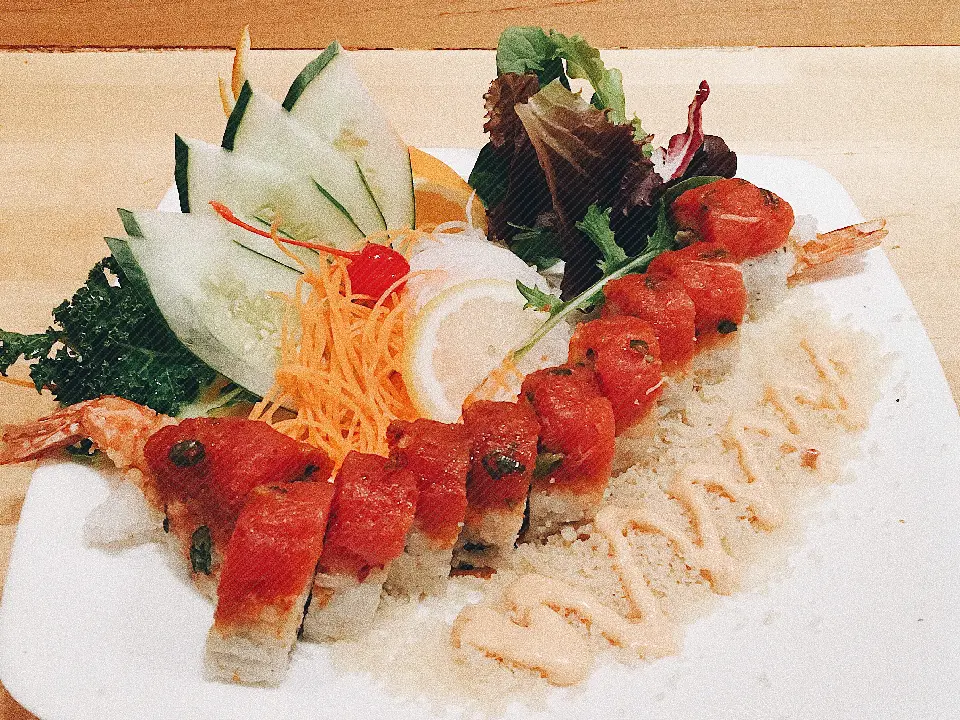
Thai cuisine, known for its vibrant flavors and aromatic components, is a fascinating culinary journey that reflects the rich cultural heritage of Thailand. This cuisine is an intricate blend of sweet, sour, salty, and spicy tastes, creating a harmonious balance that is not only delightful to the palate but also visually appealing.
The foundation of Thai cooking is built upon a combination of fresh herbs and spices. Key ingredients include galangal (similar to ginger), lemongrass, Thai basil, kaffir lime leaves, and fiery chilies. These elements are skillfully combined to create dishes that are full of depth and character.
Rice is the cornerstone of Thai cuisine, with jasmine rice being the most popular. However, sticky rice, particularly in the northeast region of Thailand, is also a staple. Another significant element is coconut milk, which adds a creamy texture and sweet flavor to many dishes, such as curries.
Thai cuisine varies significantly by region. The north, influenced by neighboring Myanmar and China, favors sticky rice and milder curries. Northeastern food is spicier and includes more grilled meats. Central Thailand, including Bangkok, is known for its variety and balance of flavors. The south, close to Malaysia and the sea, makes extensive use of seafood and coconut.
Thai street food is an integral part of the country's food culture. From bustling markets to street corners, vendors offer an array of dishes, snacks, and desserts. This includes everything from grilled meats and seafood to fresh fruit and Thai iced tea.
Eating in Thailand is typically a communal affair. Meals often consist of multiple dishes shared by everyone at the table. This reflects Thai culture’s emphasis on kinship and enjoyment of food.
In recent years, automation has begun to play a pivotal role in the organization and management of Thai restaurants, significantly enhancing the dining experience and operational efficiency. This technological integration is not just a trend but a necessity in the fast-paced culinary world. Automation in Thai restaurants manifests in various forms, from online reservations and digital menus to sophisticated kitchen management systems.
One of the key benefits of automation is the streamlining of operations. Digital systems for ordering and payment have reduced wait times and minimized errors, ensuring a smooth and enjoyable dining experience for customers. For restaurant owners and chefs, inventory management software has been a game-changer, allowing for real-time tracking of stock levels and usage patterns. This not only helps in maintaining the freshness of ingredients, which is crucial for Thai cuisine, but also aids in reducing waste and optimizing procurement.
Moreover, technology has revolutionized customer service. Many Thai restaurants now employ digital platforms to interact with their customers, gather feedback, and provide personalized recommendations. This level of customization enhances customer satisfaction and fosters loyalty. Interactive apps and websites allow customers to explore the rich variety of Thai dishes, learn about their ingredients, and even access recipes, further deepening their engagement with Thai cuisine.
From a sustainability standpoint, automation in Thai restaurants contributes significantly to energy efficiency and waste reduction. Automated systems in the kitchen ensure optimal use of resources, while data analytics help in predicting customer preferences and adjusting menu offerings accordingly. This not only supports a sustainable approach to food preparation but also aligns with the global shift towards environmentally friendly practices in the culinary industry.
In conclusion, the incorporation of automation within Thai restaurants is transforming the landscape of this vibrant cuisine. It enhances operational efficiency, elevates the customer experience, and aligns with sustainable practices, all while preserving the authentic flavors and traditions of Thai cooking. As technology continues to advance, it will undoubtedly bring more innovative solutions to the forefront of Thai culinary art, making it more accessible and enjoyable for food enthusiasts around the world.


(413) 458-0004
27 Spring Street Williamstown, MA 01267